

How Much Does Carpet Installation Cost?
Carpet is one of the most affordable flooring options, but the total cost depends on more than just the carpet. Most projects include three main parts: the carpet, the padding, and the labor.
Typical cost breakdown (per square foot):
- Carpet material: $1 to $10
- Padding: $0.30 to $1
- Labor and installation: $0.50 to $2
For a typical 12 by 15 room (180 square feet):
- Carpet: $180 to $1,800
- Padding: $54 to $180
- Installation: $90 to $360
- Total: $324 to $2,250
If you choose higher-end materials like wool or designer carpets, the total cost can rise to $10 to $20 or more per square foot installed.
Carpet Installation Cost Per Square Foot
For quick reference, here are typical price ranges by category.
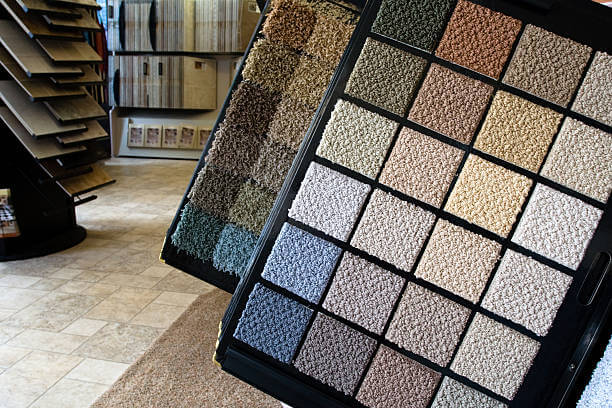
- Budget carpet: $1 to $3 per square foot
- Midrange carpet: $3 to $7 per square foot
- High-end carpet: $7 to $20+ per square foot
- Installed total: $3 to $10 per square foot
Carpet remains one of the most affordable flooring choices compared to hardwood, tile, or stone.
Carpet Installation Cost by Type
The material you choose plays a major role in the total cost. Synthetic fibers are typically more affordable, while natural fibers cost more but often last longer and feel softer underfoot.
| Carpet Type | Average Cost per Square Foot |
|---|---|
| Nylon | $1.50 to $5 |
| Polyester | $1 to $3 |
| Olefin (Polypropylene) | $1 to $2.50 |
| Wool | $5 to $20 |
| Triexta (SmartStrand) | $2 to $4 |
| Acyrlic | $2 to $4 |
| Blend (Nylon/Wool) | $3 to $6 |
| Berber/Loop | $1.50 to $3 |
| Frieze (Twist) | $1.50 to $4 |
| Cut and loop (Sculptured) | $2 to $4 |
- Most affordable: Polyester, olefin, Berber
- Most durable: Nylon, triexta
- Premium option: Wool
Labor Cost to Install Carpet
Labor typically costs between $0.50 and $2 per square foot, depending on your location and how complex the job is.
You may pay more if:
- Furniture needs to be moved
- Subfloor repairs are required
- Stairs or irregular layouts are involved
Most standard rooms can be carpeted in a few hours or within a day, which helps keep labor costs lower than many other flooring types.
Additional Carpet Installation Costs
Besides materials and labor, several additional costs can affect your final price.
- Old carpet removal: $1 to $5 per square foot
- Padding: $0.30 to $1 per square foot
- Subfloor repairs: Varies widely
- Transitions or trim: $1 to $5 per linear foot
Replacing old carpet typically costs more than installing new carpet because removal and disposal are included.
Key Factors That Affect Carpet Installation Cost
Several factors can influence your total project cost.
- Room size: Larger spaces increase material and labor costs
- Carpet quality: Higher pile density and premium fibers cost more
- Padding thickness: Thicker padding improves comfort but adds cost
- Installation complexity: Stairs, closets, and custom cuts increase labor
- Location: Urban areas and high-cost regions tend to have higher labor rates
Where Carpet Works Best in Your Home
Carpet works best in spaces where comfort and warmth are priorities.
It is especially well-suited for bedrooms, living rooms, and playrooms, where people often sit or relax on the floor. Carpet is also commonly used on stairs because it helps reduce noise and improves traction.
Carpet is generally not recommended for kitchens, bathrooms, or basements because these areas are more likely to have moisture and spills.
Pros and Cons of Carpet Flooring
Carpet remains a popular option because it offers comfort and affordability, but it also requires regular maintenance.
Advantages
- Soft underfoot: Carpet provides a soft, cushioned surface that is comfortable underfoot, making it ideal for families and bedrooms.
- Noise-reducing: It also helps reduce noise between floors and offers some insulation, which may help lower heating costs.
- Fast installation: Carpet is faster to install than tile or hardwood
- Many styles: It comes in a wide range of styles, colors, and textures.
Disadvantages
- Needs regular cleaning: Carpet requires more upkeep than hard flooring. Regular vacuuming and occasional deep cleaning are needed to remove dirt, allergens, and stains.
- Traps smells and moisture: If not properly maintained, carpet can trap moisture, pet odors, and allergens.
- May wear out quickly: In high-traffic areas, it may also wear out faster than harder flooring materials.
Is Carpet Still Popular?
Carpet use has declined slightly in recent years, but it remains one of the most common flooring types in U.S. homes. According to Modernize survey data of over 2,500 homeowners,
- 21% of homeowners currently have carpet
- 11% of homeowners planning new flooring are choosing carpet
Even as hard flooring grows in popularity, carpet continues to be a top choice for rooms where comfort matters most.
How Long Does Carpet Last?
Most carpets last about 10 to 15 years, depending on material quality and maintenance.
- Budget carpet: 5 to 10 years
- Midrange carpet: 10 to 15 years
- High-end carpet: 15+ years
Regular cleaning and proper padding can help extend the lifespan of your carpet.
Is Carpet Worth the Cost?
Yes, for many homeowners, carpet is a cost-effective flooring choice.
It is one of the most affordable ways to cover large areas quickly while providing comfort, noise reduction, and insulation.
Carpet is especially well-suited for bedrooms and living rooms, where softness and warmth are more important than maximum durability.
How to Find a Carpet Installation Contractor
Choosing the right contractor is just as important as selecting the right carpet.
Before hiring:
- Get at least two to three quotes
- Ask what is included, such as removal, padding, and cleanup
- Confirm warranty coverage
- Review past work or customer feedback
A qualified installer can help you choose the right material, ensure proper installation, and help you avoid costly issues later.
Compare top-rated flooring pros in your area.
Read real homeowner reviews, explore qualifications, and view promotions. Modernize makes it easy to browse professionals and find one that will be perfect for your project.



-
Subfloor Replacement Costs
What Is a Subfloor and Why Replace It? Subfloors are the layers between your finished flooring and the supporting beams of your home. For instance, if you remove the luxury... -
Flooring Installation Cost
How Much Will Your New Floors Cost? If you are looking to replace the flooring in your home, you may be worried about a costly and time-consuming project. Planning ahead... -
Types of Flooring
Types of Flooring: A Complete Comparison Guide The most popular flooring types include hardwood, luxury vinyl plank (LVP), tile, laminate, carpet, engineered hardwood, and vinyl sheet. Your best option depends... -
Best Flooring Companies
Best National Flooring Companies & Retailers In the U.S., the biggest flooring companies fit into two main groups. Some are full-service installers that manage everything from your first consultation to... -
Tile Flooring Installation
Tile Installation Cost by Type Tile materials vary widely in price. Ceramic is the most budget-friendly option, while natural stone and custom designs are at the higher end. Installed cost... -
How Much Does Empire Today Flooring Cost?
Empire Today Flooring Cost: What to Know Empire Today offers all-inclusive pricing, bundling materials, installation, cleanup, and extras into one upfront estimate. While the company doesn’t list pricing online, customer...